

Fulfillment solutions


Lowest Shipping Rates in 2026: What Shipping Costs and How to Pay Less
Updated September 2026
USPS Ground Advantage starts at $7.90 retail in 2026. UPS Ground and FedEx Ground list rates both start at $11.99 for a 1 lb package to Zone 2.
Your real cost depends on weight, distance zone, and dimensional weight, and every major carrier raised list rates about 5.9% for 2026. Businesses that ship through commercial platforms or a 3PL pay 15–45% below retail on the same services.
Key Takeaways
- USPS Ground Advantage is the price floor for parcels: $7.90 retail to start in 2026, and it replaced First-Class Package Service back in 2023.
- UPS Ground and FedEx Ground both open at $11.99 list (1 lb, Zone 2) and usually win on price somewhere between 8 and 20 lb.
- Commercial rates through shipping platforms run 15–45% below retail counter prices on the same USPS services, with no volume minimums.
- All three carriers raised 2026 list rates about 5.9%, so a rate you benchmarked in 2025 is stale.
- Right-sized boxes matter more than carrier choice past 1 cubic foot: every carrier now bills dimensional weight on a 139 divisor, USPS included.
Why You’re Overpaying
Most people ship packages the expensive way without knowing better alternatives exist. When you walk into the post office or UPS store, you pay retail rates that can cost 40-85% more than commercial pricing for identical shipping services.
Retail counter rates are the expensive default. Walk a package into a post office or UPS Store and you pay the published retail price; the same label bought through a commercial platform is discounted up to 45% for Priority Mail and up to 31.6% for heavier Ground Advantage parcels, per the July 2026 USPS commercial tables.
Single-carrier loyalty costs you the rest. Which carrier is cheapest flips with weight and zone: USPS wins light parcels, UPS and FedEx Ground take over as weight climbs, and nobody wins all three bands. Shippers who rate-shop every label instead of defaulting to one account keep the difference.
Hidden surcharges inflate shipping costs unnecessarily. Major carriers add fees for residential delivery, rural areas, fuel adjustments, and oversized packages. These additional fees can add $3-8 per package, but commercial platforms often absorb or reduce these charges.
The financial impact adds up quickly. For ecommerce business owners, these unnecessary costs directly reduce profit margins.
How To Get the Lowest Rate Every Time (Fast Workflow)
Finding the cheapest shipping rates takes less than 30 seconds per shipping label when you follow this systematic approach.
Use a shipping cost calculator to model DIM weight surcharges before negotiating your next 3PL contract.
Access commercial pricing through platforms like Pirate Ship, ShipStation, or Stamps.com without minimum volume requirements or monthly fees. These services provide instant access to discounted rates that are 30-60% lower than retail counter prices from day one.
Compare all carriers side-by-side for each package before creating your shipping label. Weight, dimensions, and destination determine which carrier offers the lowest rates. USPS might win for a 2-pound package while UPS could be cheaper for the same destination with a 12-pound shipment.
Use delivery speed as a tiebreaker only when faster service provides better value. Sometimes paying $2 more for guaranteed next day delivery makes sense for time-sensitive shipments, but avoid paying for speed you don’t need.
Right-size packaging to avoid dimensional weight penalties that can double your shipping costs. Use the smallest box that safely fits your items, or consider poly mailers for non-fragile products to minimize both weight and size.
Smart parcel management strategies like this workflow help businesses ship packages more efficiently while reducing costs across all carrier options.
Cheapest Carrier by Package Type & Weight
Package weight determines which carrier offers the most cost effective options for your specific shipping needs.
Under 1 lb: USPS Ground Advantage. Retail starts at $7.90 and nothing at UPS or FedEx list rates comes close for sub-pound parcels. One 2026 note for business shippers: since July 12, USPS commercial pricing no longer prices sub-pound packages by the ounce, so a 3 oz and a 15 oz parcel can book the same commercial rate.
1–8 lb, the competitive zone: compare USPS weight-based pricing against UPS and FedEx Ground on every label. Flat-rate boxes only enter the conversation for dense items crossing the country; the small box is $13.65 retail in 2026, which several pounds of weight-based Ground Advantage undercuts on nearby zones.
8–20 lb: UPS Ground or FedEx Ground usually wins, and the two carriers price against each other closely; FedEx held Ground Economy increases near zero for 10–20 lb packages in 2026, which makes it worth quoting for slower shipments in this band.
20–50 lb: carrier ground services only, and watch dimensional weight: a 30 lb box that measures large bills at its DIM weight, not its scale weight. Model the box on our dimensional weight calculator before you pick a carrier.
Over 150 lb: parcel carriers stop being the answer. Palletized LTL freight prices per hundredweight and beats parcel rates well before 150 lb when you ship multiple boxes to one address; see the heavy-items section below.
Rates are one decision; the shipping methods you offer at checkout are another. Understanding how to calculate shipping cost per item helps you budget accurately and choose the most cost effective carrier for each package weight category.
Lowest Rates by Delivery Speed
Balancing delivery time with shipping costs helps you choose the right service level for each situation.
Express (1-3 days): Reserve Priority Mail Express, UPS Next Day Air, and FedEx Standard Overnight for truly urgent shipments. These services cost 3-5 times more than ground options but provide guaranteed delivery with enhanced tracking.
| Service | 2026 list rate | Typical speed | Best for |
| USPS Ground Advantage | from $7.90 retail | 2–5 days | Anything under ~5 lb; the default cheapest label |
| USPS Priority Mail small flat-rate box | $13.65 retail | 1–3 days | Dense items to far zones; price is weight-blind to 70 lb |
| UPS Ground | from $11.99 | 1–5 days | 8–20 lb parcels; reliable B2B delivery |
| FedEx Ground / Home Delivery | from $11.99 | 1–5 days | 8–20 lb parcels; Home Delivery runs Saturdays |
| UPS Ground Saver (was SurePost) | below Ground, contract | 3–7 days | Light economy shipments; now delivered by UPS end-to-end |
| FedEx Ground Economy (was SmartPost) | below Ground, contract | 3–7 days | Economy under 10 lb; 2026 increase near zero at 10–20 lb |
List rates effective 2026 (UPS Dec 22, 2025; FedEx Jan 5, 2026; USPS July 12, 2026 tables). USPS also carries a temporary surcharge from April 26, 2026 through January 17, 2027, already reflected in published retail prices. Commercial and 3PL rates run below every figure here.
One of the easiest cost wins is matching your product to the smallest viable box. See our reference on shipping box dimensions for a full sizing chart.
Carrier Playbooks (Condensed)
Each major carrier has specific strengths that make them the cheapest option in certain scenarios.
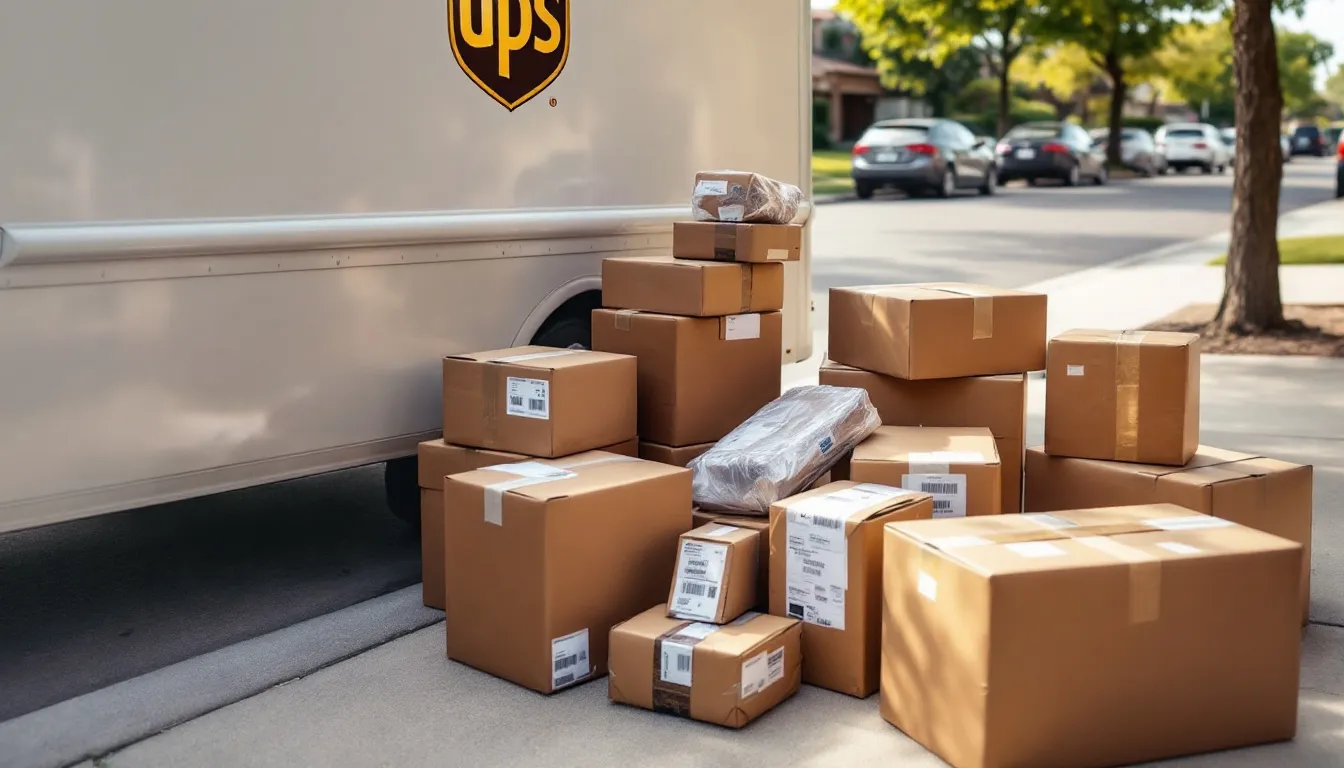
USPS owns the light end. Ground Advantage covers everything from 1 oz to 70 lb and starts at $7.90 retail; Priority Mail buys speed for a few dollars more, and flat-rate boxes turn weight off entirely for dense loads. Media Mail stays the cheapest legal way to ship books and educational media, at rates no parcel service matches.
UPS is strongest from about 8 lb up. Ground opens at $11.99 list and gets more competitive as weight climbs; Simple Rate offers five flat-price box sizes when you want predictable costs, and Ground Saver (the service formerly called SurePost) trades one to two days of speed for a lower rate. Since April 2025 Ground Saver is delivered by UPS end-to-end, and its included declared-value cover dropped from $100 to $20, so insure higher-value economy shipments separately.
FedEx mirrors UPS on ground pricing, opening at the same $11.99 list minimum. Home Delivery covers residential addresses including Saturdays at no premium; One Rate is the flat-price counterpart to Simple Rate, though it took a 7% increase in April 2026 on top of the January rate change, so re-quote it if you priced it last year. Ground Economy, formerly SmartPost, stays the budget lane and barely moved at 10–20 lb this year.
International: Lowest Practical Options
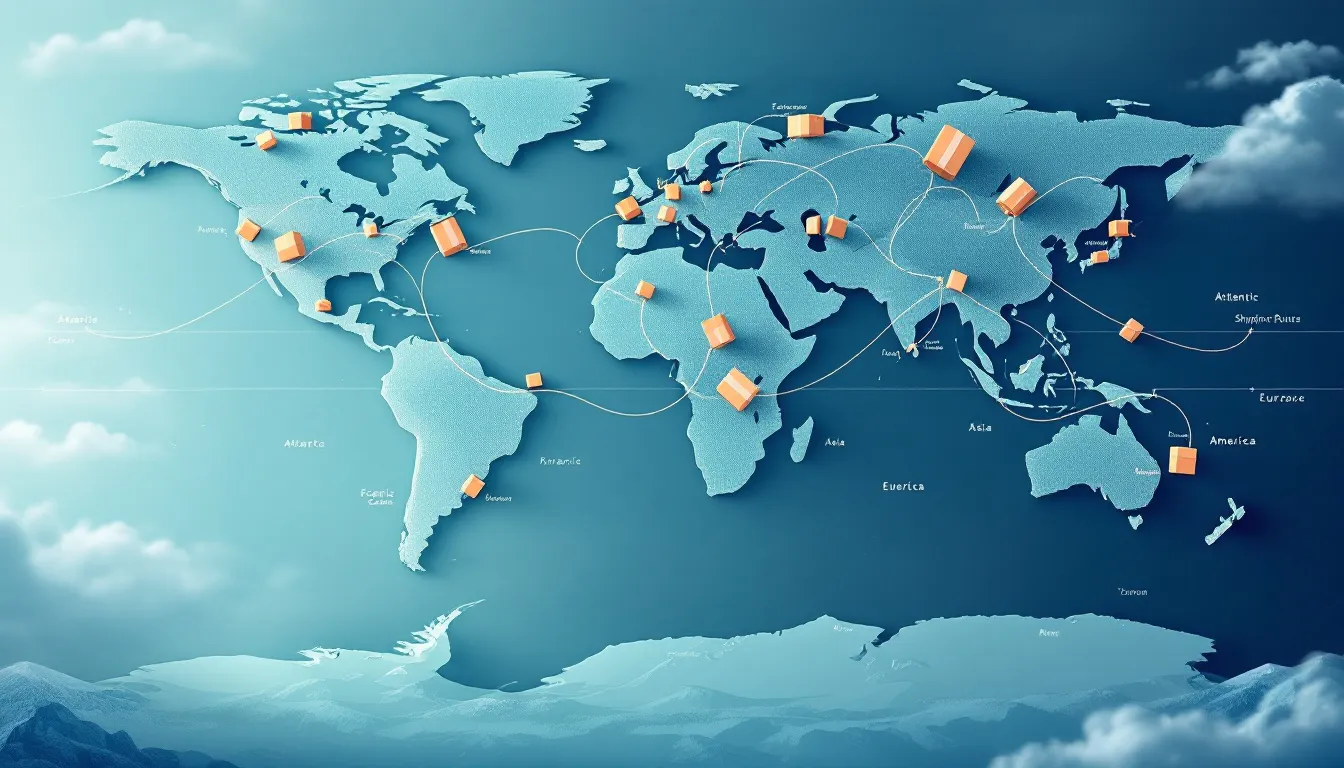
International shipping costs significantly more than domestic options, but smart carrier selection minimizes the expense. For brands with cross-border volume, international fulfillment services can offset international shipping costs by routing through closer facilities.
Under 4 lb: USPS Priority Mail International is usually the cheapest tracked option for light parcels, with delivery in 6–10 business days to most destinations. Prices vary by country and weight, so quote your specific lane; the gap between USPS and the express carriers is largest on light, low-urgency shipments.
Heavier packages or faster delivery: Compare UPS Worldwide Expedited and FedEx International Priority only when guaranteed delivery times justify the 2-3x higher cost. These services work best for commercial shipments or high-value items requiring enhanced tracking.
Budget alternatives: Consolidation services like GlobalPost or DHL eCommerce can reduce international shipping costs by 30-50% by combining multiple packages into larger shipments. This approach adds 3-7 days to delivery time but provides substantial savings for non-urgent international shipments.
Regional & Hybrid Services = Hidden Savings
Alternative carriers often provide significant cost savings within their coverage areas, offering rates 20-40% below national carriers.
Regional carriers undercut national list rates inside their territories, typically by 10–40%. OnTrac, which absorbed LaserShip in their merger and now runs coast to coast across 35+ states, is the biggest of them; Spee-Dee Delivery covers the Midwest. They fit ecommerce shippers with steady volume inside a region.
The carriers’ own economy tiers took over the role the old USPS-handoff hybrids played. UPS Ground Saver and FedEx Ground Economy both now deliver on their own networks rather than handing to your mail carrier, keep full tracking, and price a tier below standard ground in exchange for one to three extra days. Zone skipping does the same job at pallet scale: inject freight deep into the destination region, then let cheap short-zone parcel rates finish the trip.
Consider zone skipping strategies that leverage regional carriers and hybrid services to minimize shipping costs across different geographic areas.
Advanced Cost Levers
Several advanced strategies can reduce shipping costs beyond basic rate shopping.
Insurance alternatives: Third-party insurance providers typically cost 50-70% less than carrier insurance while providing similar coverage. For high-volume shippers, self-insurance strategies can save money when loss rates remain low.
Annual rate increases compound quietly. UPS and FedEx each raised 2026 list rates an average of 5.9%, effective December 22, 2025 and January 5, 2026, and USPS lifted retail prices in January before trimming competitive prices about 2% in July. A rate card you negotiated on 2024 volume is two increases out of date; re-benchmark it every January. Offset these increases through carrier diversification, package optimization, and avoiding common fulfillment mistakes that inflate shipping costs.
Past a few hundred orders a month, the cheapest label is usually one you never buy yourself. A 3PL books your parcels on its aggregate volume, which is how IWS clients average about 17% lower parcel spend before counting storage and pick-and-pack efficiencies; model your own mix with the dimensional weight calculator or get a quote to see the rate difference on your actual order profile.
How Much Does It Cost to Ship Heavy Items?
Heavy shipments are priced by more than the scale. Past 50 lb, carrier ground rates climb steeply and oversize surcharges stack on top; past 150 lb, parcel networks stop accepting single packages and freight takes over.
Three rules keep heavy shipping cheap:
- Check dimensional weight before quoting anything: a light but bulky 4-cubic-foot box bills at 50 lb DIM weight on every major carrier.
- Avoid the surcharge cliff edges, because “large package” and additional-handling fees trigger on dimensions, not weight, and a box one inch shorter can skip a $100+ surcharge.
- Palletize multi-box orders: LTL freight to one address is routinely cheaper than five heavy parcels making the same trip, and it is how our B2B fulfillment clients move retail-ready orders.
A standard 48 × 40 pallet loaded to about 48 inches double-stacks cleanly in a dry van; our guide to pallet sizes and height limits covers the numbers.
Quick Action Checklist (1-Page)
Week 1:
- Sign up for two commercial rate platforms (Pirate Ship, ShipStation)
- Compare your last 10 shipments using commercial vs. retail rates
- Calculate potential monthly savings
Week 2:
- Start rate shopping every shipping label across all carriers
- Optimize packaging to avoid dimensional weight penalties
- Set up simple rules based on package weight categories
Week 3:
- Test regional carriers where available
- Implement hybrid services for economy shipments
- Track which carriers win for different package types
Monthly review:
- Calculate total shipping cost savings achieved
- Adjust strategies based on shipping patterns
- Evaluate new carrier options and rate changes
For businesses seeking comprehensive shipping optimization, consider partnering with logistics experts who can streamline your shipping operations and provide transparent pricing without hidden fees.
Low Cost Shipping FAQs
What is the cheapest way to ship a package in 2026?
USPS Ground Advantage is the cheapest mainstream option for most parcels, starting at $7.90 retail. Commercial platforms sell the same service 15–45% below retail, and a 3PL’s negotiated rates go lower at volume.
How much does ground shipping cost?
USPS Ground Advantage starts at $7.90 retail in 2026. UPS Ground and FedEx Ground list rates both start at $11.99 for 1 lb to Zone 2, rising with weight and distance zone.
What’s the cheapest way to ship a 5 lb package?
Compare USPS Ground Advantage weight-based pricing against UPS and FedEx Ground for your zone; at 5 lb any of the three can win. The $13.65 small flat-rate box only beats them for dense items crossing distant zones.
What is the cheapest way to ship a 20 or 30 lb box?
UPS Ground or FedEx Ground, priced by zone. Flat-rate options stop making sense at this weight, and dimensional weight can exceed scale weight on bulky boxes, so measure before you quote.
What is the cheapest way to ship heavy or oversized items?
Under 150 lb, carrier ground with careful attention to oversize surcharges, which trigger on dimensions. Over 150 lb or for multi-box orders to one address, palletized LTL freight is almost always cheaper than parcels.
When do flat rates beat weight-based pricing?
When the item is dense and traveling far. A small flat-rate box costs $13.65 to any US address, so it wins once weight-based pricing to Zones 5–9 passes that figure, typically for compact items over a few pounds.
How do I get commercial shipping rates?
Free shipping platforms give anyone USPS commercial pricing with no volume minimum, instantly. Deeper discounts come from carrier contracts at sustained volume or from a 3PL that books your parcels on its aggregate rates.
Did shipping rates go up in 2026?
Yes. UPS and FedEx raised list rates an average of 5.9%, effective December 22, 2025 and January 5, 2026. USPS raised retail prices in January, added a temporary surcharge from April 26, then cut competitive prices about 2% on July 12.
Is UPS Ground Saver delivered by USPS?
No, not anymore. Since the April 2025 rebrand from SurePost, UPS delivers Ground Saver end-to-end. Included declared-value cover also dropped from $100 to $20, so insure higher-value shipments separately.
Ready to optimize your shipping costs? Contact us to learn how professional fulfillment services can help reduce your shipping expenses while improving delivery performance.
About the Author
Innovative Warehouse Solutions (IWS) is a U.S.-based third-party logistics (3PL) and order fulfillment provider. We help ecommerce and B2B brands with warehousing, pick and pack, kitting and assembly, and small parcel shipping. This article was written by the IWS operations team, drawing on hands-on experience running fulfillment for growing brands.